

Deep Tissue Massage vs Swedish Massage: Which Is Right?
Deep Tissue Massage vs Swedish Massage: Which Is Right?
What Is Deep Tissue Massage and Swedish Massage?
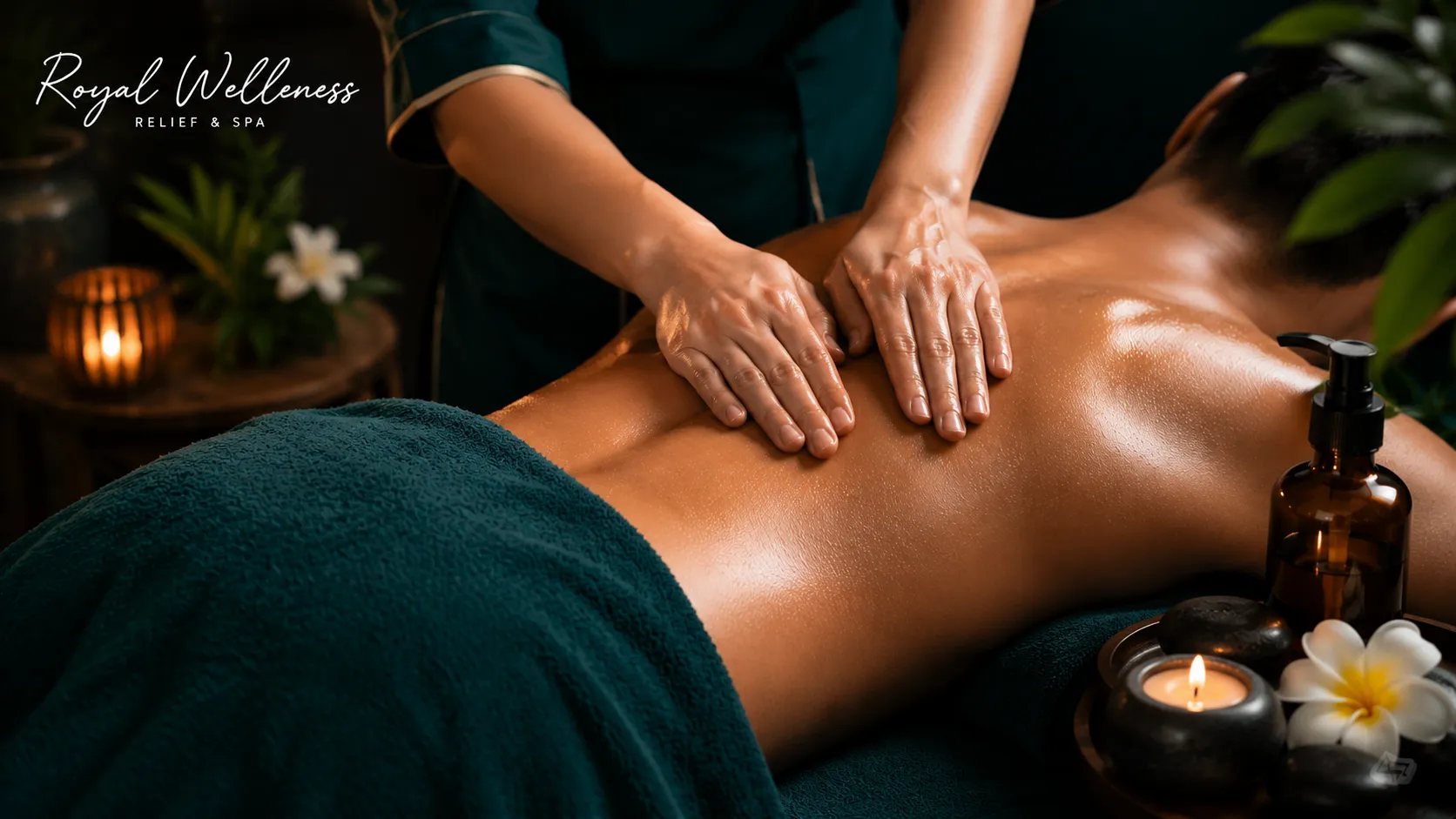
Deep tissue massage targets the deeper layers of muscle and connective tissue. Therapists use slow strokes and firm pressure to reach tight spots. This technique works well for chronic pain, old injuries, and stiff shoulders. Swedish massage focuses on long, smooth strokes across the top muscle layers. It uses lighter pressure and a steady, calming rhythm. Research shows this style lowers stress hormones and improves relaxation within one session. Most therapists in Bangladesh train in both styles, but they apply very different amounts of force. Deep tissue work can feel intense, sometimes slightly uncomfortable during the session. Swedish massage feels gentle from start to finish, which suits first time clients. Knowing this basic difference sets the foundation for choosing the right therapy for your body. Therapists often blend techniques within one session based on how your muscles respond. A trained therapist checks your tension level as the session moves along. They may start with lighter Swedish strokes to warm up the muscles first. This warm up step makes deeper pressure feel far more comfortable later in the session. Room setup also plays a role in how each massage feels. Deep tissue rooms often use firmer tables and extra bolsters to support targeted pressure points. Swedish massage rooms focus more on ambience, soft lighting, and calm background sound. Both settings aim to help your body relax, just through different sensory cues.
Muscle Pain Problems Working Adults Face Today
Long desk hours create tight shoulders and a stiff lower back for many working adults. According to experts, poor posture during long screen time is one of the top causes of chronic neck pain. Sitting for eight hours a day shortens hip muscles and tightens the upper back. This buildup of tension does not disappear on its own, and it often gets worse over weeks.
Stress adds another layer to the problem. Recent studies suggest that mental stress increases muscle tightness, especially around the neck and jaw. Many adults in Sylhet and Rajshahi report shoulder pain after long work weeks. This tension can lead to headaches, poor sleep, and reduced focus at work. Ignoring these signs for too long often turns mild stiffness into chronic pain that needs deeper treatment. That is why choosing the right massage type early makes a real difference.
Screen fatigue adds a separate strain that many people overlook. Long hours on a laptop or phone tighten the muscles around the eyes, jaw, and upper neck. This creates a tension pattern called tech neck, which spreads into the shoulders over time. Simple stretching helps for a while, but deep muscle knots usually need hands on treatment.
Commuting adds even more physical stress for working adults in Sylhet and Rajshahi. Long rides on uneven roads shake the spine and tighten the lower back over weeks. Many riders do not notice the buildup until stiffness turns into sharp pain. Regular massage therapy breaks this pattern before it becomes a bigger problem.
Key Benefits of Each Massage Type
Deep tissue massage helps release chronic muscle knots that build up over months. It targets scar tissue and old injury patterns that light massage cannot reach. 2026 data indicates that regular deep tissue sessions can reduce lower back pain scores by a noticeable margin within a few weeks. This makes it a strong option for people with long-term muscle tightness.
Swedish massage brings a different set of benefits. It improves blood circulation and helps the body clear waste products from tired muscles. Studies from major health institutions link this style to lower cortisol levels and better sleep quality. Many clients also report feeling calmer and more focused after a session.
Both styles support muscle recovery, but they work through different paths. Deep tissue breaks down tension physically, while Swedish massage calms the nervous system first. Both styles also support better sleep quality over time. Research shows that regular massage therapy lowers the time it takes to fall asleep for many adults. Deep tissue sessions help by physically releasing pain that keeps people awake at night. Swedish massage helps by calming an overactive mind before bedtime.
Improved posture is another shared benefit worth mentioning. Loosening tight muscles through either technique allows the spine to sit in a more natural position. Over several sessions, many clients notice they stand and sit taller without forcing it. This small shift reduces strain on the neck and lower back during daily tasks.
Deep Tissue Massage vs Swedish Massage: The Right Fit
Choosing between deep tissue massage vs Swedish massage depends on your pain level and your goal. If you deal with chronic back pain, stiff shoulders, or old sports injuries, deep tissue massage is the stronger match. It reaches muscle layers that light pressure cannot touch.
If your main goal is stress relief, better sleep, or simple relaxation, Swedish massage fits better. It feels gentle and calming from the first minute.
Pain tolerance also matters here. People who are new to massage or who prefer a lighter touch usually feel more comfortable with Swedish massage. Those who have tried massage before and want targeted relief often prefer the firmer pressure of deep tissue work.
Some clients even combine both styles across different sessions depending on how their body feels that week. There is no single correct answer, only the option that matches your current needs.
How Each Massage Technique Works on Your Body
Deep tissue massage applies steady pressure into the connective tissue that surrounds your muscle fibers. This pressure helps loosen adhesions, which are small areas where tissue has become stuck together. Breaking up these adhesions restores normal movement and reduces stiffness over time. The process can trigger mild soreness for a day, similar to how muscles feel after a workout.
Swedish massage works through the body differently. Long strokes move in the direction of blood flow back toward the heart. This supports circulation and helps the lymphatic system remove waste more efficiently. The nervous system responds by shifting into a relaxed state, which lowers heart rate and muscle tension.
Both techniques use touch to change how your body functions, just through separate mechanisms. Understanding this helps you set realistic expectations before your first session.
This is exactly where the deep tissue massage vs Swedish massage decision becomes practical rather than theoretical. Your body responds to pressure and pace in very different ways depending on the technique used. Deep tissue work sends signals that break old tension patterns stored in the muscle. Swedish massage sends signals that tell your nervous system it is safe to relax fully. Neither approach is better on its own, since each one solves a different physical need. Matching the technique to your current state is what makes a session effective.
Deep Tissue vs Swedish Massage Comparison Table
Use this quick table to compare the two options side by side.
Feature | Deep Tissue Massage | Swedish Massage |
Pressure Level | Firm to intense | Light to medium |
Best For | Chronic pain, old injuries | Stress relief, relaxation |
Feel During Session | Can be slightly uncomfortable | Calming and gentle |
Typical Session Length | 60 to 90 minutes | 45 to 60 minutes |
Recovery Feeling After | Mild soreness for a day | Immediate lightness |
Ideal First Timer | No, better for experienced clients | Yes, gentle introduction |

Tips to Choose the Right Massage for You
Start by rating your pain level from one to ten before booking a session. If your pain sits above six, deep tissue massage will likely bring more relief. Tell your therapist about any old injuries before the session begins. This helps them adjust pressure and avoid sensitive areas.
Book a longer session if you are targeting multiple tight spots at once. A 90 minute deep tissue session covers more ground than a rushed 30 minute visit. Drink water after any massage session to help flush out released tension.
If you are unsure which style to pick, ask the therapist for a combination session. Many wellness centers in Sylhet and Rajshahi now offer blended sessions for new clients. This lets you feel both techniques and decide which one suits your body best.
Plan your massage around your work schedule, not just your pain level. Booking a deep tissue session right before an important meeting can leave you feeling too relaxed to focus. Evening sessions work well since they give your body time to rest afterward.
Wear loose, comfortable clothing to your appointment so you can move freely before and after. Share your stress level with your therapist, not just your physical pain. This helps them decide how much time to spend on relaxation versus targeted pressure work.
Keep a simple note of how your body feels after each session. Over a few visits, this helps you and your therapist fine tune the right approach for you.
Mistakes to Avoid When Picking a Massage
Do not book a deep tissue session for your very first massage experience. The intense pressure can feel overwhelming if your body is not used to it.
Avoid skipping the consultation before your session starts. Therapists need to know about injuries, surgeries, or sensitive areas beforehand.
Do not go straight to intense exercise right after a deep tissue session. Your muscles need rest to recover from the deeper pressure.
Avoid booking back to back sessions too close together. Currently in Sylhet and Rajshahi, most therapists recommend spacing deep tissue sessions five to seven days apart.
Do not ignore mild soreness that lasts more than two days. If discomfort continues, check with a doctor before your next session.
Avoid choosing a massage type only because a friend recommended it. Every body holds tension differently, so what works for one person may not suit another.
Do not eat a heavy meal right before your appointment. A full stomach can make lying face down uncomfortable during longer sessions.
Avoid rushing out immediately after a deep tissue session without a short rest. Sitting quietly for a few minutes helps your muscles adjust before you get back to daily tasks.
Massage Therapy Options in Sylhet and Rajshahi
Wellness demand has grown across Sylhet and Rajshahi in 2026. More working adults now seek massage therapy to manage stress and desk-related pain. Local wellness centers have expanded their teams of certified therapists to meet this demand. Both deep tissue and Swedish massage are available across these two cities.
Latest recommendations from wellness professionals point to a rise in blended sessions that combine both styles. This trend fits busy schedules, since clients get targeted relief and relaxation in one visit. Booking ahead is a smart move during peak evening hours, especially on weekends. Many centers now offer flexible time slots to match working adult schedules.
This growth means more people in Sylhet and Rajshahi can access massage therapy without long travel. Choosing a certified therapist remains the most important step for a safe, effective session.
Seasonal weather also shapes demand across these two cities. During the humid months, many clients prefer lighter Swedish sessions to avoid extra strain on the body. In cooler months, deep tissue sessions become more popular as people seek relief from stiffness. Local wellness centers often adjust room temperature and oil choice to match these seasonal needs.
Word of mouth remains a strong driver of trust in Sylhet and Rajshahi. Many clients choose a wellness center based on recommendations from coworkers or family members. This is why quality and certified training matter so much for local providers. A center that delivers steady results earns repeat visits from the same clients month after month.
Ready to Feel Better? Book Your Massage Today
You now know the real differences between deep tissue massage and Swedish massage. Weighing deep tissue massage vs Swedish massage does not need to feel complicated once you know your own pain level and goals.
The next step is simple. Pick the style that matches your pain level and your goal for the session.
RoyalwellnessBD offers both deep tissue and Swedish massage sessions with certified therapists in Sylhet and Rajshahi. Booking takes less than a minute through WhatsApp. Just send a message with your preferred time and massage type, and the team will confirm your slot.
There is no pressure to commit to a long package right away. Start with one session and see how your body responds. Your muscles will thank you for it.
What You Should Do Checklist
- Rate your pain level before booking a session.
- Tell your therapist about old injuries or surgeries.
- Book a 90 minute session for multiple tight spots.
- Drink water after your massage to support recovery.
- Space deep tissue sessions five to seven days apart.
- Ask about blended sessions if you are unsure which style fits you.

What You Should Avoid Checklist
- Do not choose a deep tissue massage for your very first session.
- Do not skip the consultation before the session starts.
- Do not exercise intensely right after a deep tissue session.
- Do not book back to back sessions too close together.
- Do not ignore soreness that lasts more than two days.
- Do not pick a therapy style based on price alone.
FAQ SECTION
Is deep tissue massage more painful than Swedish massage?
Deep tissue massage uses firmer pressure, so it can feel more intense during the session. Some people notice mild soreness the next day, similar to a workout. Swedish massage feels gentle throughout, with little to no discomfort. Your therapist can always adjust pressure based on your comfort level.
Which massage is better for lower back pain?
Deep tissue massage generally works better for chronic lower back pain because it reaches deeper muscle layers. It helps break up tension that light pressure cannot touch. Swedish massage can still help with mild, stress-related back tightness. For long-term pain, deep tissue sessions usually bring faster relief.
Can I combine deep tissue and Swedish massage in one session?
Yes, many wellness centers now offer blended sessions that combine both techniques. This works well if you want relaxation along with targeted relief in specific areas. Your therapist can start with lighter Swedish strokes, then shift to deeper pressure where needed. This option suits people who are unsure which single style to choose.
How often should I get a massage for chronic muscle tension?
For chronic tension, most therapists recommend a session every one to two weeks. This allows enough time for muscles to recover between deep tissue sessions. Swedish massage can be scheduled more often since it uses lighter pressure. Always adjust frequency based on how your body responds.
Our All Locations
10th Floor Hotel Noorjahan Grand, Waves 1 Dargah Gate, Sylhet, Bangladesh, 3100
Royal Raj Hotel & Condominium, 26,27 Gonokpara, Boalia., Rajshahi, Bangladesh


